Offshore Division
Five rigs, and everything it takes to keep them fed.
Offshore drilling is a logistics problem with a derrick attached. Xtragate owns both halves of it: the rigs, and the vessels and aircraft that supply them.
The units
Shelf and deepwater
Three cantilever jackups
Independent-leg cantilever units working platform and subsea development on the Gulf shelf in 250 to 400 feet of water. Skidding envelopes suit both new drilling and workover over existing structures, and each unit carries a 15,000 psi stack.
Two moored semi-submersibles
Conventionally moored fourth-generation semis working exploration and development in up to 7,400 feet. Both carry dual-activity capability on the drill floor and a 15,000 psi subsea stack with dual pod redundancy.
Support
Nobody waits on a charter.
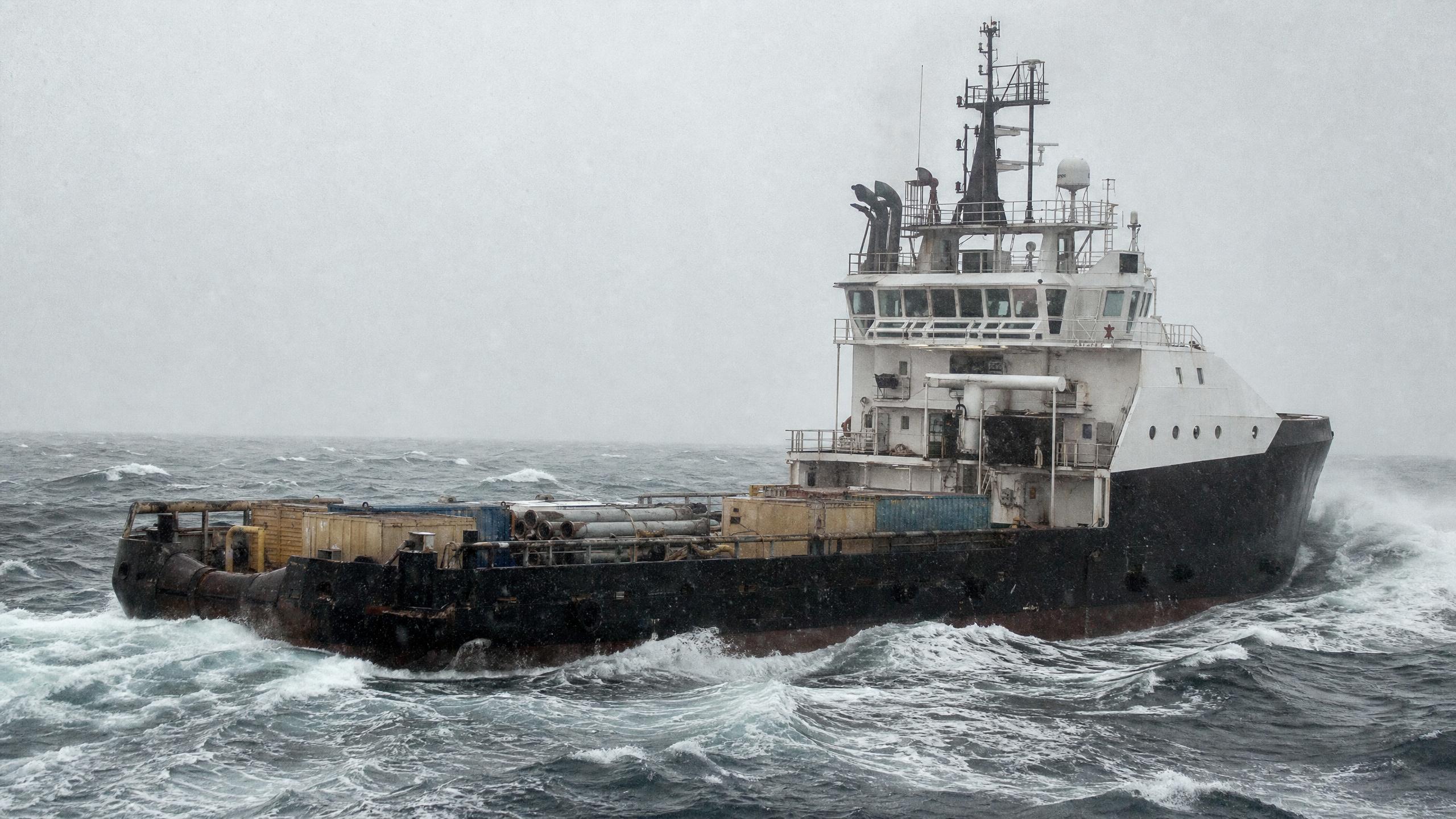
Every other contractor on the shelf is bidding for the same third-party boat on the same bad-weather day. We are not. Twelve vessels and twelve aircraft belong to Xtragate, are crewed by Xtragate, and are scheduled by the same desk that schedules the rigs.
The Guardian sits on permanent standby-and-rescue duty within 500 metres of whichever unit is in the most exposed position, in weather and out of it.
- Three platform supply vessels on a fixed rotation
- One dedicated standby and rescue vessel, always on station
- One anchor-handling tug supply unit for rig moves and mooring
- Twelve Bell aircraft, two held on medevac readiness at all times
- Marine and flight following from the same operations centre as the rigs
Well control
Barrier philosophy offshore
Two tested barriers
Every well is drilled with two independent, tested barriers between the reservoir and the environment at all times. No exceptions and no verbal dispensations.
Stack assurance
Full-function testing every 14 days and full pressure testing every 21 days, with certificates filed to the client data room within 24 hours.
Kick detection
Coriolis flow metering in and out with automatic alarming. On managed-pressure wells influx is typically detected inside 1.5 barrels.
Drills that count
Weekly well control drills, timed and scored, with results posted on the rig and reported to the operator whether or not the crew hit the target.
Emergency disconnect
On the semis, an emergency disconnect sequence tested at every stack test and rehearsed by the crew every hitch.
Independent verification
Third-party verification of the well control system on a twelve-month cycle, with findings issued unedited to the operator.
Weather
Operating limits
| Operation | Wind limit | Sea state | Decision authority |
|---|---|---|---|
| Crane lifts, routine | 25 kn | Hs 2.0 m | Crane operator |
| Crane lifts, personnel transfer | 20 kn | Hs 1.5 m | OIM |
| Helicopter operations | 45 kn | — | Pilot in command |
| Vessel alongside, bulk transfer | 30 kn | Hs 2.5 m | Master and OIM jointly |
| Drilling ahead, moored semi | 50 kn | Hs 5.0 m | OIM |
| Secure hole and suspend | > 55 kn forecast | Hs 6.0 m | OIM, notified to operator |
Limits are the Xtragate standing instruction. Any person on the unit may stop an operation below these limits without justification.
How we take work.
Xtragate does not tender publicly and does not accept unsolicited enquiries. Programmes come to us through operators we already work for.